표현 하나씩
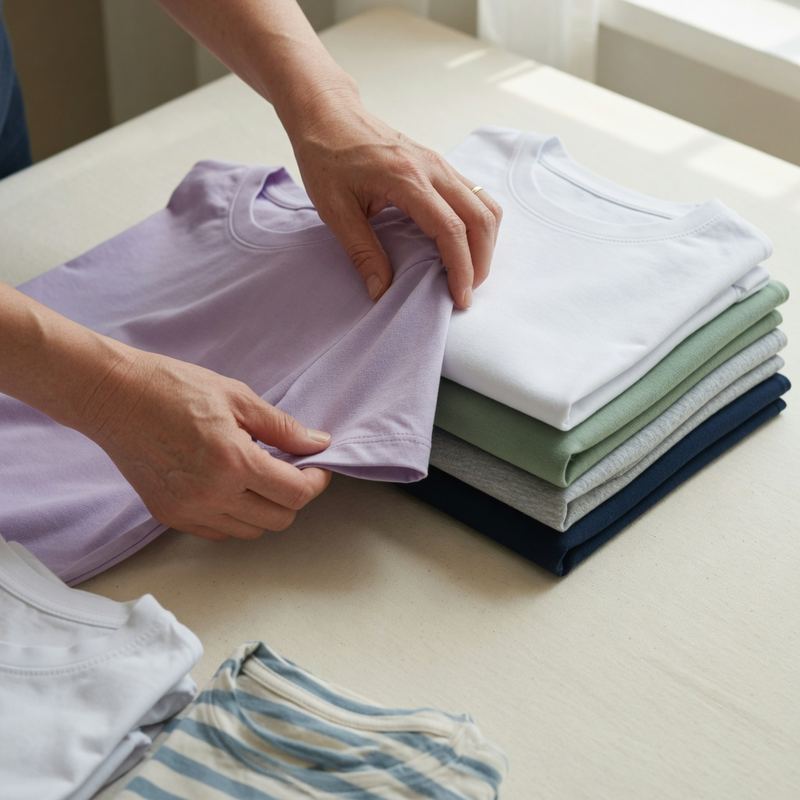
fold the laundry
/foʊld ðə ˈlɔːndri/빨래를 개다
예문
The clothes are dry now, so I need to fold the laundry before dinner.
옷이 다 말랐으니 저녁 먹기 전에 빨래를 개야 해요.
Can you help me folding the laundry while we watch the movie?
영화 보는 동안 빨래 개는 것 좀 도와줄래요?
쓰임
"fold"=개다, 반대는 "unfold"(펴다). 개서 서랍에 넣는 것은 "put the laundry away".
관련 단어
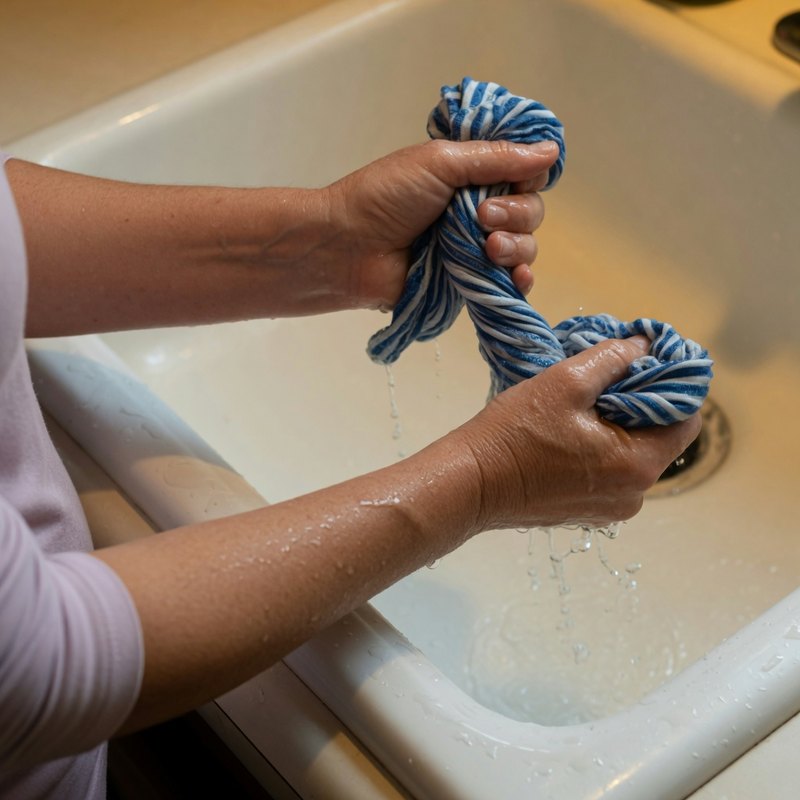
wring out
/rɪŋ aʊt/물기를 짜다
예문
After washing the rag, wring out as much water as you can.
걸레를 빤 뒤에 물기를 최대한 짜내세요.
She wrung out the mop over the bucket before wiping the floor.
그녀는 바닥을 닦기 전에 양동이 위에서 대걸레의 물기를 짰어요.
쓰임
"wring out"=비틀어 물기를 짜다(걸레·수건). 과거형은 "wrung". 손으로 짜는 것은 "squeeze".
관련 단어
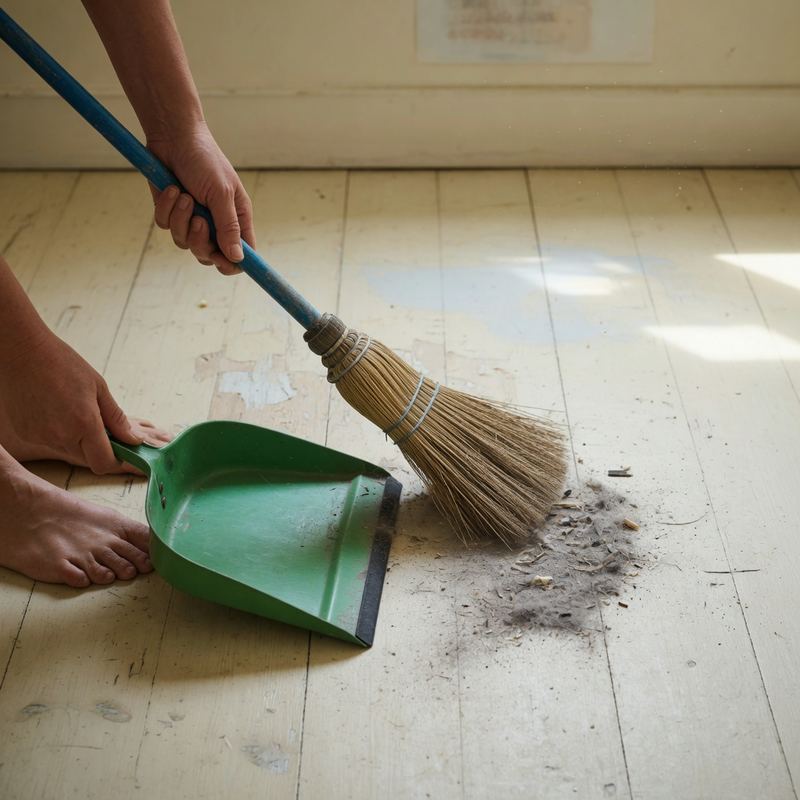
sweep the floor
/swiːp ðə flɔːr/바닥을 쓸다
예문
There are crumbs everywhere, so let me sweep the floor first.
여기저기 부스러기가 있으니 먼저 바닥을 쓸게요.
Grab the broom and sweep the floor while I take out the trash.
제가 쓰레기 버리는 동안 빗자루를 들고 바닥을 쓸어 주세요.
쓰임
"sweep"=빗자루(broom)로 쓸다. 카펫이나 미세 먼지는 빗자루보다 "vacuum"(진공청소기)이 낫다.
관련 단어
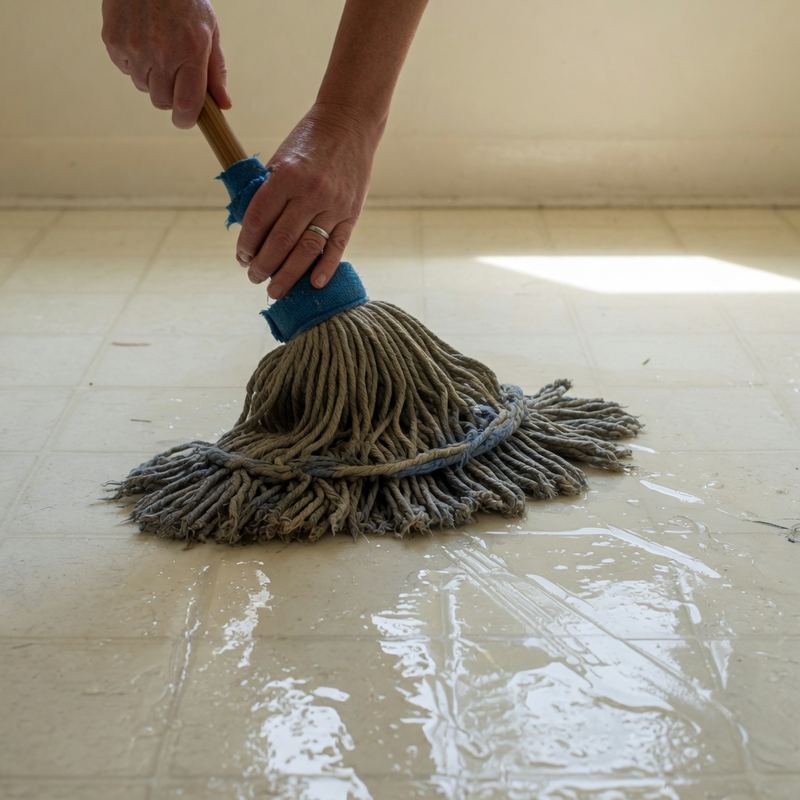
mop the floor
/mɑːp ðə flɔːr/바닥을 대걸레질하다
예문
After I sweep, I always mop the floor to get rid of the sticky spots.
저는 쓴 다음에는 끈적이는 자국을 없애려고 항상 바닥을 대걸레질해요.
The kitchen tiles are filthy, so I should mop the floor tonight.
부엌 타일이 너무 더러워서 오늘 밤에 바닥을 대걸레질해야겠어요.
쓰임
"mop"=젖은 대걸레로 닦다(쓰는 것 다음 단계). 보통 "sweep then mop" 순서. 양동이는 "bucket".
관련 단어
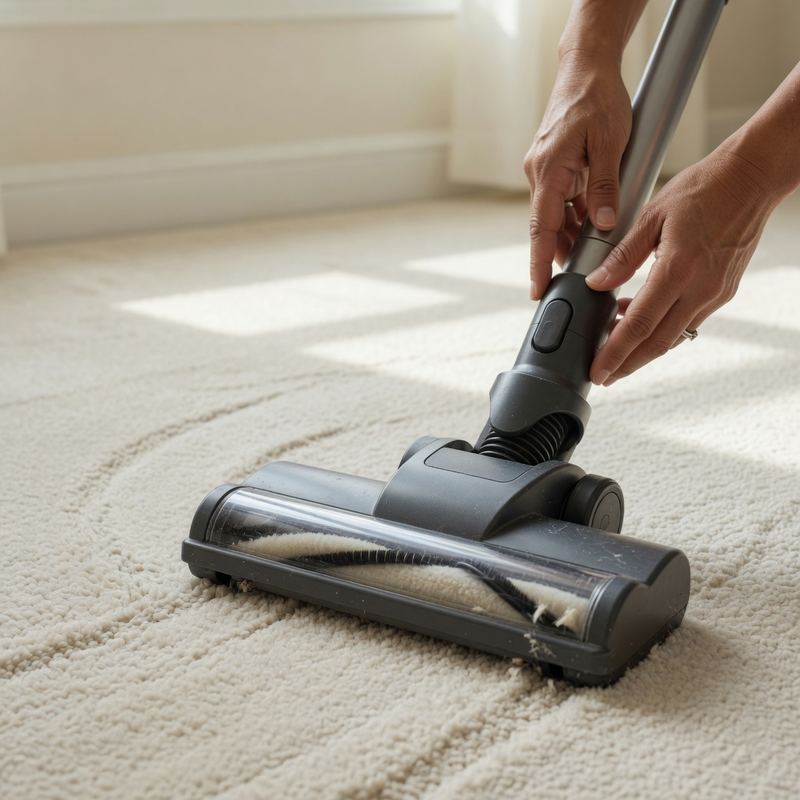
vacuum
/ˈvækjuːm/진공청소기로 밀다
예문
The carpet is covered in pet hair, so I need to vacuum the living room.
카펫에 반려동물 털이 가득해서 거실을 진공청소기로 밀어야 해요.
Could you vacuum under the couch? A lot of dust collects there.
소파 밑을 진공청소기로 밀어 줄래요? 거기에 먼지가 많이 쌓여요.
쓰임
"vacuum"=진공청소기로 청소하다(동사). 카펫·미세 먼지에 적합. 단단한 바닥은 "sweep"·"mop"이 흔하다.
관련 단어
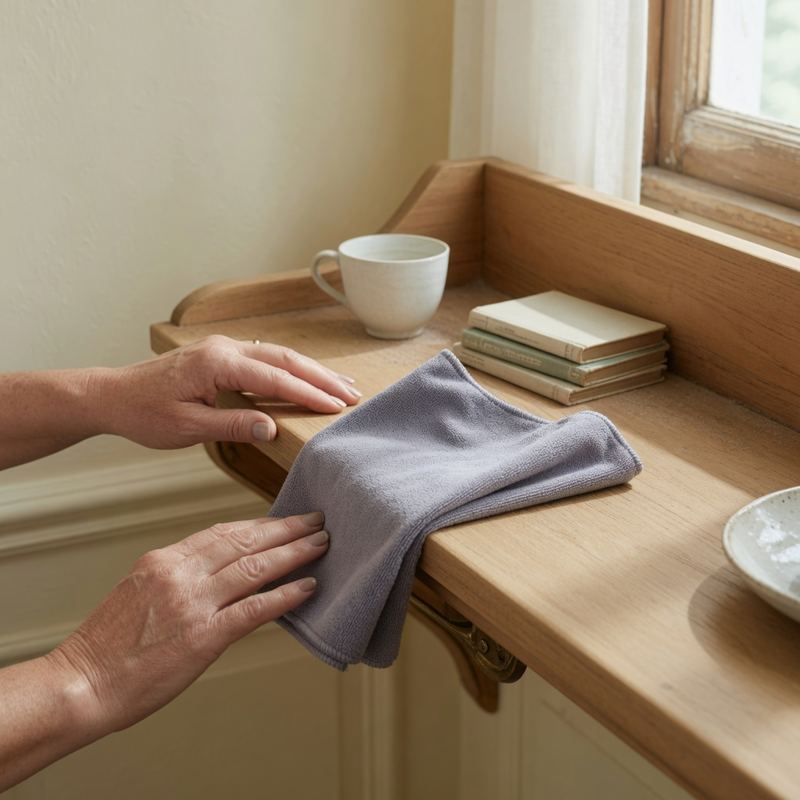
dust
/dʌst/먼지를 털다
예문
The shelves are gray with dust, so I will dust them with a cloth.
선반이 먼지로 뿌예져서 헝겊으로 먼지를 털 거예요.
Remember to dust the picture frames; they collect a lot.
액자도 먼지 터는 거 잊지 마세요. 거기 먼지가 많이 쌓여요.
쓰임
"dust"는 명사(먼지)이자 동사(먼지를 털다). 헝겊은 "cloth", 깃털 먼지떨이는 "feather duster".
관련 단어
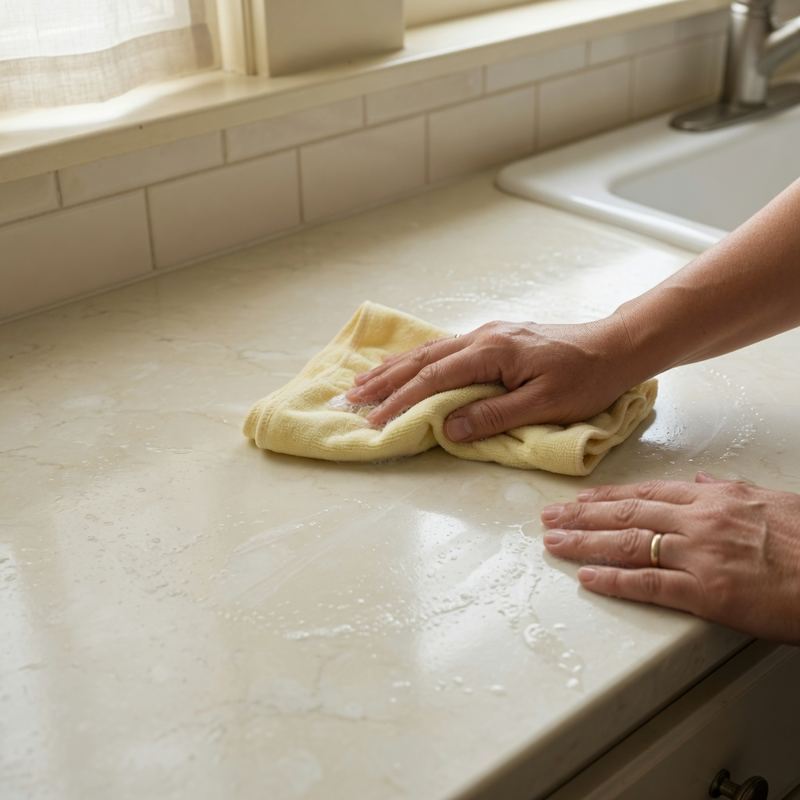
wipe down the counter
/waɪp daʊn ðə ˈkaʊntər/조리대를 닦다
예문
After cooking, I always wipe down the counter so it does not get sticky.
요리한 뒤에는 끈적이지 않게 항상 조리대를 닦아요.
You spilled juice here; let me wipe down the counter real quick.
여기에 주스를 흘렸네요. 제가 얼른 조리대를 닦을게요.
쓰임
"wipe (down)"=가볍게 닦다(행주·헝겊). 문질러 박박 닦는 것은 "scrub". 행주는 "dishcloth".
관련 단어
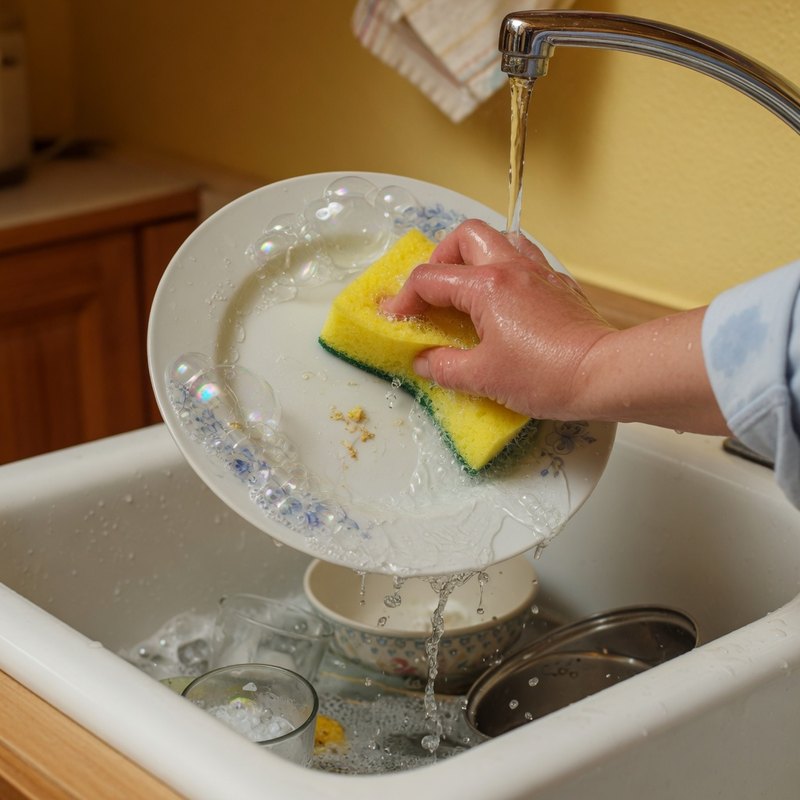
do the dishes
/duː ðə ˈdɪʃɪz/설거지하다
예문
You cooked, so I will do the dishes tonight; it is only fair.
당신이 요리했으니 오늘 밤엔 제가 설거지할게요. 그게 공평하죠.
The sink is full again — whose turn is it to do the dishes?
싱크대가 또 가득 찼네요. 이번엔 누가 설거지할 차례죠?
쓰임
"do the dishes"=설거지하다(="wash the dishes"). 식기세척기는 "dishwasher", 싱크대는 "sink".
관련 단어
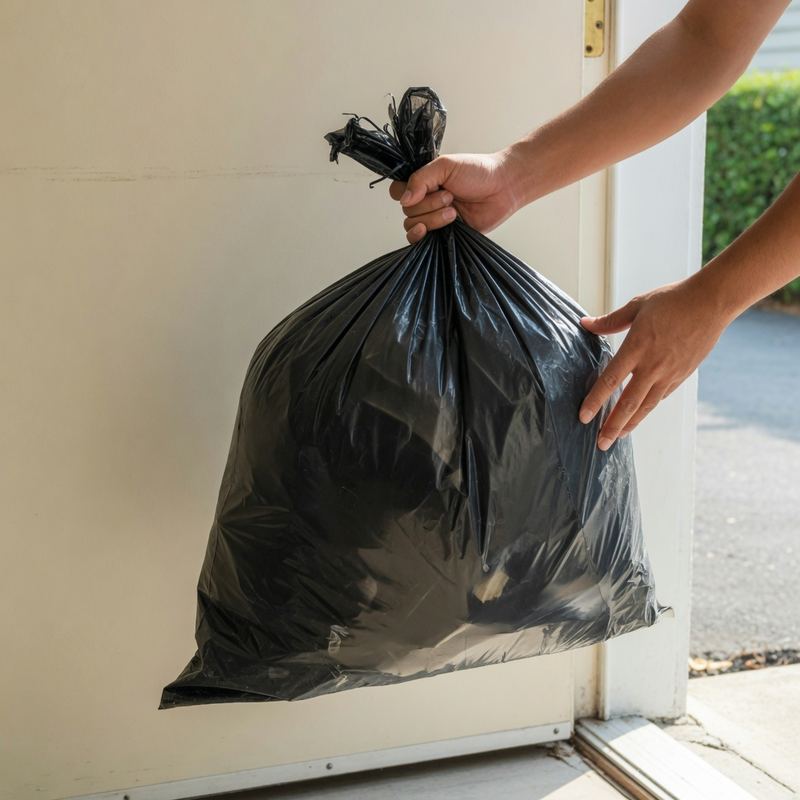
take out the trash
/teɪk aʊt ðə træʃ/쓰레기를 내다 버리다
예문
The bin smells, so please take out the trash before you leave.
쓰레기통에서 냄새가 나니 나가기 전에 쓰레기를 좀 내다 버려 주세요.
Tomorrow is pickup day, so I need to take out the trash tonight.
내일이 수거일이라 오늘 밤에 쓰레기를 내다 버려야 해요.
쓰임
"take out the trash"=쓰레기를 밖에 내다 놓다. 쓰레기통은 "trash can"·"bin", 재활용은 "recycling".
관련 단어