Returning the favour.
In 2019, I left for Australia with no real plan. I started near my brother in Brisbane, but soon went on my own into rural Queensland — Kilcoy, then the Tablelands further north. I knew no one, and in three years I never once visited another state.
To me, Australia was country Queensland.
And there, strangers were far kinder to me than I had any right to expect. In the Tablelands, Fil and Gary took me into their home on a mango farm; even friends meeting me for the first time would pull out a chair without a second thought. The Nguyen family, who worked the same factory shifts, were among the kindest people I have ever met.
But the one I can't forget is Doreen. She gave English lessons, for free, to people in her small town. Once a week, on my day off, I would go to her house — two hours of talking, working through her books, and eating the scones she baked herself.
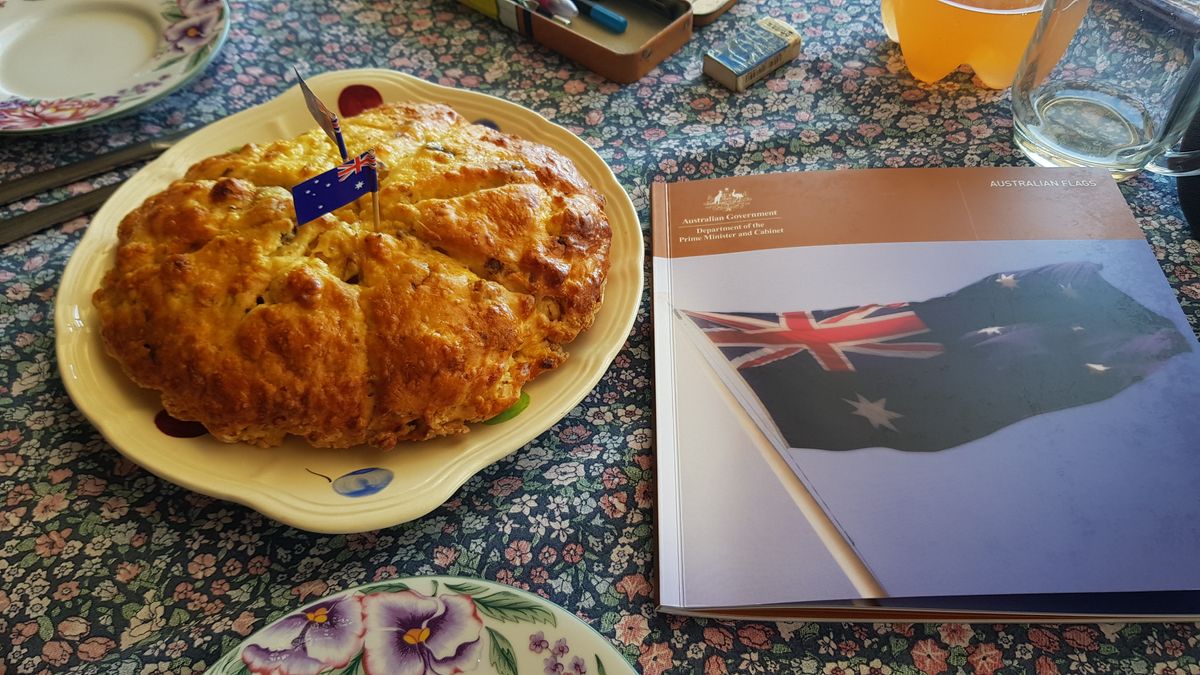
I still remember how they tasted.
Doreen was always generous with her words: that I would surely meet someone good, that a child who looked like me would be beautiful. I have a wife now, and a child. One day I want to take my child by the hand and stand at her door again.
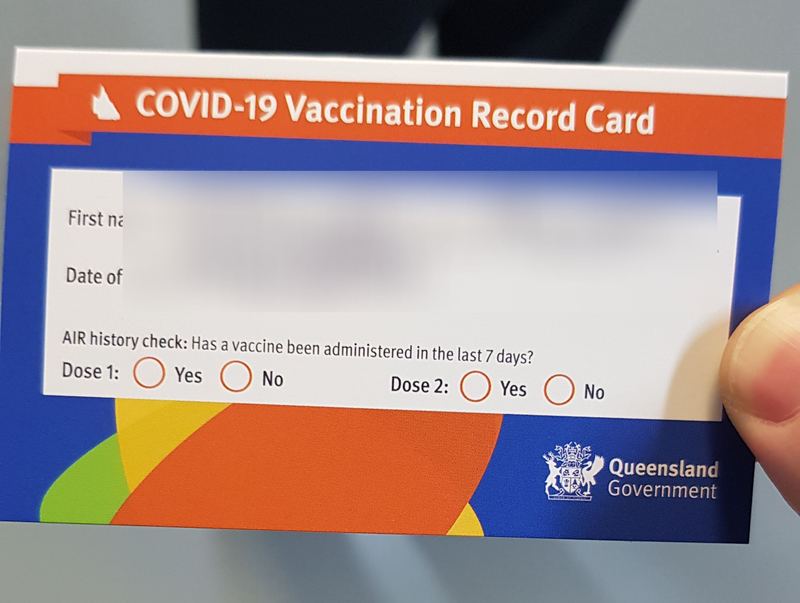
The kindness wasn't only personal. In the thick of the pandemic, this country opened a way for foreigners who had lost their visas, and offered vaccines at no cost. I never needed that help myself — but watching a nation extend such generosity even to outsiders, I came to see Australia differently. What rural Queensland taught me was how a person can treat a stranger, someone with no claim on them at all.
Personal circumstances brought me back to Korea. I married; life carried on. Then I began something small with these new AI tools — a way of learning that you see and understand, rather than memorise. I called it seegongsik. As I built it out, the memory of that country table and those scones came back to me.
I looked into it, and found that the country towns that had been so kind to me are the ones struggling most in education. Rural and regional schools have a hard time attracting teachers, and a harder time keeping them; in a small school, one teacher often ends up carrying maths or science far outside their own training — out-of-field, with too many classes and too little time to prepare. None of that is the teachers' fault. But it means a student in a country town can sit further from a clear explanation than a student in a city, through no fault of their own either.
And I thought: this is exactly the kind of load seegongsik could help carry. Not an AI to replace those teachers — something to lighten their load. So I am building this place for Australia: maths and science you can see and understand, page by page along the content descriptors of the Australian Curriculum, free of charge, no sign-up — something a teacher can put straight onto a classroom screen, and a student can open again at home. Not to replace anyone, but to help.
In practice, four promises:
For regional and remote classrooms
Specialist teachers are hardest to find where they are needed most. These lessons are built to be there when a specialist cannot be.
For out-of-field teachers
Teaching maths without a maths background can mean late nights of prep. Every unit is ready to open, project and teach — visuals, examples and a self-check included.
A lighter load, not a replacement
Nothing here replaces a teacher, and nothing is trying to. It simply carries part of the weight: the diagrams, the interactions, the quick quiz that marks itself.
A fair go for every postcode
A child in a small town deserves the same quality of explanation as a child in a capital city. Free, no logins, and no ads on these pages.
I owe Australia a debt. This place is how I repay it.
It is nothing grand. Only the simple wish to give back, because something was given to me.
Australia is a country I can say, without hesitation, that I love. I hope to return one day.
— the maker of seegongsik, Kwon
← Back to seegongsik AU